
Essential Outfit Ideas for Your Photoshoot and the Reasons Behind Them

Choosing what to wear for a photoshoot can feel overwhelming. The right clothing and style can make your pictures stand out, while the wrong choices might distract from your natural beauty or the story you want to tell. This guide helps you pick outfits that work well on camera, explaining why certain colors, fabrics, and styles perform better in photos. You’ll also find practical tips and examples to make your next photoshoot a success.

Why Your Outfit Matters More Than You Think
Your clothing is one of the first things the camera captures. It sets the tone and mood of your pictures. For example, bright colors can energize a photo, while neutral tones create a timeless feel. The style you choose also reflects your personality and the message you want to send. When you feel confident in your outfit, it shows in your posture and expression, making your photos more engaging.
Picking Colors That Work on Camera
Colors behave differently under various lighting conditions. Here are some guidelines to help you select the best colors for your photoshoot:
Solid colors usually work better than busy patterns. They keep the focus on you rather than your clothing. Patterns can be pretty distracting but can also send a message or express your style. For example, plaid is a common pattern in the fall and winter because it fits the vibes of the time of year.
Earth tones like olive, beige, and rust create a warm, natural look.
Pastels such as soft pink, lavender, or baby blue add a gentle, flattering touch.
Avoid neon or overly bright colors because they can reflect light and create unwanted color casts on your skin.
Consider the background. For example, if you’re shooting in a green park, avoid wearing green to prevent blending in.
Using these tips, you can create a harmonious balance between your outfit and the setting, making your pictures visually appealing. Keep in mind, these are YOUR photos! A saying often used in design, similar to this:
When you understand the rules, you can effectively break the rules.
Lexie wore bright neon pink to her shoot for her senior picture's summer of 2025. In a way, pink is Lexie's statement color. Especially when the pink is bright, bold, and pops.

Typically, a safe color choice is black and white (other neutrals) with jeans or otherwise a pop of color.
Choosing Styles That Flatter and Photograph Well
The style of your clothing affects how your body looks in pictures. Here are some style tips to keep in mind:
Fit matters. Clothes that are too tight or too loose can be unflattering. Choose pieces that follow your natural shape without clinging too much.
Classic cuts like A-line dresses, tailored pants, or fitted blazers tend to photograph well and stay timeless.
Layering adds depth and interest to your look. A jacket, scarf, or vest can create texture and dimension.
Avoid clothes with large logos or distracting details that draw attention away from your face.
Think about movement. Flowing fabrics like chiffon or silk add softness and can create beautiful effects in pictures.
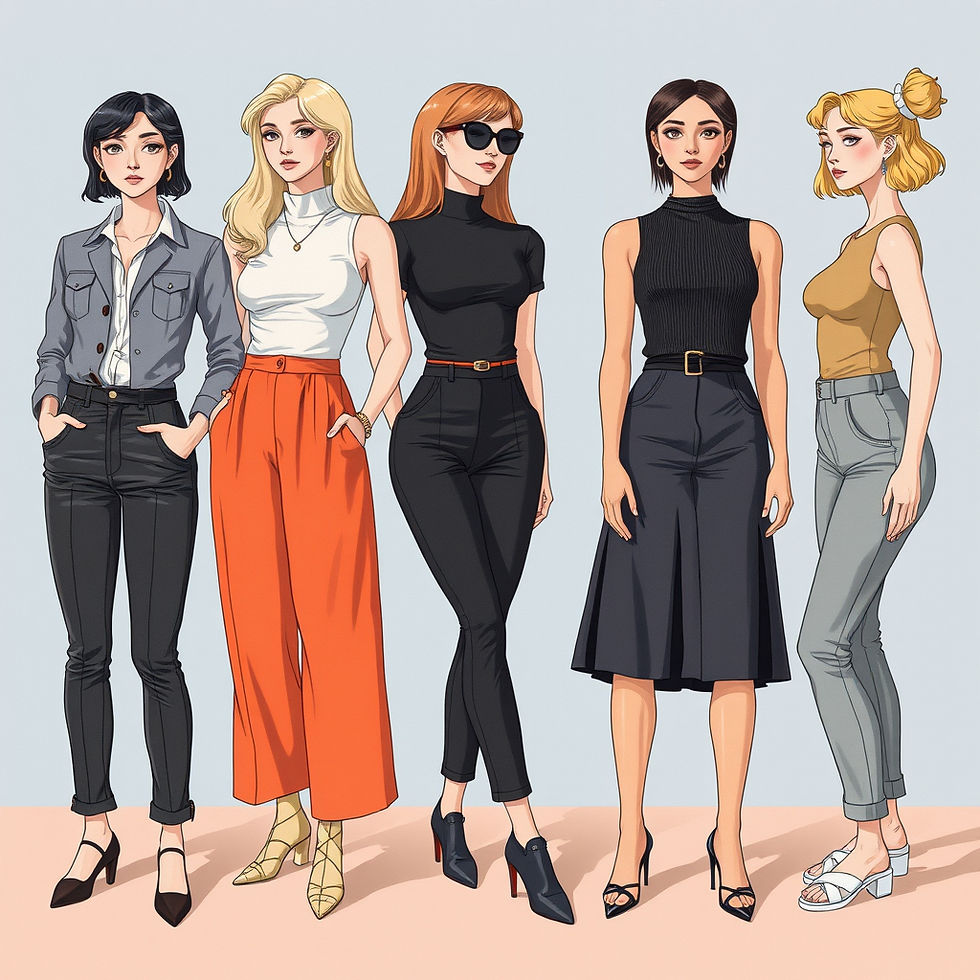
Once again, confidence! Wear what you feel confident in! Pick what works with your body.
Hourglass figures may wear fitted dresses or high waisted skirts/pants. Pear shaped figures may wear wide-leg pants and tops that will draw attention upwards towards the face. A more rectangle figure may wear a belt to define their waist with layers.
***** Ai generated illustration
Fabrics and Textures That Enhance Your Look
The texture of your clothing influences how light interacts with your outfit. Matte fabrics reduce glare and look smooth on camera, while shiny materials can reflect light and cause hotspots.
Cotton, linen, and wool blends are great choices for a natural, matte finish.
Avoid overly shiny or reflective fabrics like satin or sequins unless you want a dramatic effect.
Textured fabrics like knitwear or lace add visual interest without overwhelming the photo.
"Beauty is pain."
It also may be good to note that you want to be comfortable. If a texture or fit of a piece of clothing is uncomfortable, scratchy, itchy, etc. Consider your alternatives. We want you to share your authentic smile, which you may try to fake if the fabric is irritating you.
Outfit Ideas for Different Types of Photoshoots
Casual Outdoor Photoshoot
For a relaxed outdoor session, choose comfortable clothing in soft colors that complement the natural surroundings.
Example: A light blue chambray shirt with beige chinos or a flowy pastel dress.
Add simple accessories like a hat or delicate jewelry.
Footwear should be practical but stylish, such as sandals.
Studio Portrait Session
In a controlled studio environment, you can experiment with bolder colors and sharper styles.
Example: A fitted blazer in deep navy or burgundy paired with a crisp white shirt.
Solid colors work best against plain backdrops.
Minimal accessories keep the focus on your face.
Family or Group Photoshoot
Coordinate colors and styles without matching exactly. Choose a color palette with a few complementary colors. Coordination is not the same as matching. Variety should still exist to show each individual, but the colors and style should go well together.
Example: Denim jeans with white tops and soft earth-tone sweaters.
Avoid clashing patterns or too many bright colors.
Layers help add variety and keep everyone looking cohesive.
Final Tips
Try on your outfit before the shoot to check fit and comfort.
Bring a backup outfit in case of spills or weather changes. Also, many photographers allow more than one outfit per session.
Iron or steam your clothing to avoid wrinkles.
Keep accessories simple and avoid anything that jingles or distracts.
Think about your shoes and how they fit the location and style.
Comments